Source Glass Aroma Bottles for Home Fragrance, Cosmetics, and Gifts
Find 30 glass aroma bottle options from Zhejiang suppliers. Compare volumes from 5ml to 300ml, materials like glass and plastic, and sealing types including pumps and corks. View pricing, MOQs, and customization details for personal care and industrial use; compare the available evidence and request quotations based on your requirements.
Key considerations
Products List
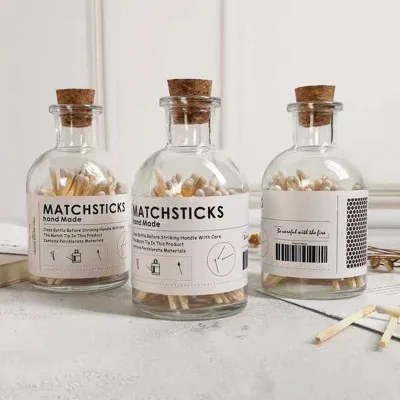


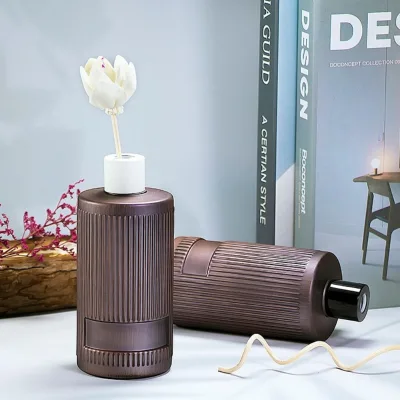
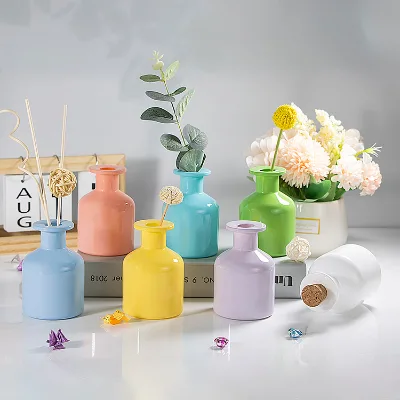


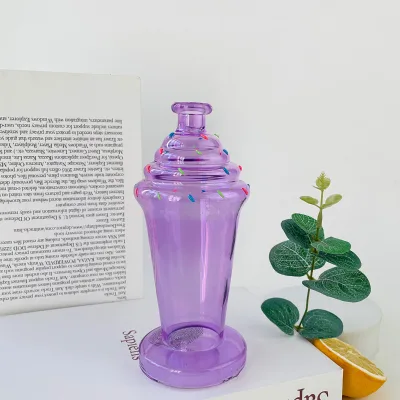


Comprehensive Sourcing Guide
Glass Aroma Bottle Sourcing Guide
Sourcing glass aroma bottles requires a clear understanding of the diverse product landscape available from manufacturers, particularly those concentrated in Zhejiang, China. Buyers often encounter listings that blend general packaging descriptions with specific cosmetic or fragrance applications. It is critical to distinguish between standard industrial use cases and specialized personal care or home fragrance requirements. The observed market signals indicate a wide range of capabilities, from simple clear diffuser bottles to complex custom-designed vessels with specific sealing mechanisms. Procurement teams must navigate this variety by focusing on the exact functional needs of their end product rather than relying on generic product titles.
The supply chain for these items is characterized by high-volume manufacturing capabilities, with some suppliers advertising monthly outputs of up to ten million pieces. This scale suggests that established factories can handle large orders efficiently, but it also implies that smaller buyers may need to negotiate minimum order quantities carefully. The presence of both OEM and ODM services indicates that brands can either modify existing molds or create entirely new designs. Understanding this flexibility is essential for buyers who need unique shapes or specific branding elements. The goal is to align the supplier’s production capacity with the buyer’s volume requirements and customization expectations.
Product Scope and Observed Listing Signals
The product scope for glass aroma bottles encompasses a wide array of configurations, including glass bottles with cork closures, pump sprayers, and rubber stoppers. Listings frequently highlight customizable shapes, such as round bottles, and offer various volume options ranging from small 5ml samples to larger 300ml containers. Buyers should note that while some products are marketed for industrial use like gifts and crafts, others are explicitly designated for personal care, cosmetics, and chemical applications. This divergence in intended use affects the required quality standards and material purity, making it vital to verify the specific application before placing an order.
Observed listing signals also reveal significant variation in packaging and shipping details. Some suppliers offer paper packaging, while others provide cartons and pallets for bulk shipment. The port of dispatch is often listed as Ningbo, which is a major hub for export logistics from China. Additionally, the availability of free samples is a common feature, allowing buyers to assess the physical quality of the glass, the fit of the closures, and the clarity of the material. These signals help buyers gauge the supplier’s responsiveness and the potential for a smooth trial order before committing to larger production runs.
Technical Specifications to Verify
Technical verification must begin with the material composition and structural integrity of the glass. Buyers should confirm whether the glass is clear, colored, or treated for specific light protection needs, as this impacts the shelf life of aromatic compounds. The sealing type is a critical technical parameter; options include easy open ends, screw caps, pump sprayers, and rubber stoppers. Each sealing mechanism offers different levels of protection against evaporation and contamination. Procurement teams must ensure that the selected closure is compatible with the viscosity and chemical nature of the aroma product to prevent leaks or degradation of the scent.
Volume accuracy and mold precision are other essential technical specifications to verify. Listings may advertise standard volumes like 50ml, 100ml, or 200ml, but actual capacity can vary slightly due to manufacturing tolerances. Buyers should request detailed technical drawings or physical samples to measure the internal volume and external dimensions. Surface printing options, such as screen printing, allow for custom branding, but the durability and adhesion of the ink must be tested. Additionally, the availability of whole sets with caps and accessories simplifies assembly but requires verification that all components fit together seamlessly without compromising the seal.
Compliance and Safety Documentation
Compliance and safety documentation are paramount when sourcing glass aroma bottles for personal care or cosmetic applications. Buyers must ensure that the glass material is food-grade or cosmetic-grade, free from harmful heavy metals or leachable substances. While some background information mentions ISO9001 and ISO14001 standards, these should be treated as potential certifications rather than guaranteed facts. Procurement teams should request valid certificates from accredited bodies to verify that the supplier’s quality management and environmental practices meet international standards. This verification process helps mitigate risks associated with product recalls or regulatory non-compliance in target markets.
Safety also extends to the packaging and handling of the glass products. Glass is fragile, and improper packaging can lead to breakage during transit, resulting in financial loss and potential safety hazards. Buyers should verify that the supplier uses robust packaging methods, such as reinforced cartons and pallets, to protect the bottles. Additionally, if the aroma bottles are intended for use with volatile chemicals or essential oils, the compatibility of the glass with these substances must be confirmed. Documentation should include material safety data sheets or compatibility reports to ensure that the packaging does not react negatively with the contents over time.
Cost Drivers and Commercial Terms
Cost drivers for glass aroma bottles include material costs, mold fees, printing complexity, and order volume. The base price of glass can fluctuate based on raw material availability and energy costs, while custom shapes or colors may incur additional mold charges. Surface printing, especially multi-color designs, adds to the production cost. Buyers should analyze the total cost of ownership, including shipping and handling, rather than focusing solely on the unit price. The observed price range of 0.05 to 3.3 USD highlights the significant variation based on customization and volume, emphasizing the need for detailed quotation comparisons.
Commercial terms such as minimum order quantity (MOQ) and lead times are critical for planning. MOQs can range from as low as one piece for samples to 50,000 pieces for large production runs. Some suppliers specify color-specific MOQs, which can limit flexibility for small batches of custom colors. Lead times, often cited around 25 days, should be factored into the supply chain schedule. Buyers should also clarify payment terms, warranty policies, and procedures for handling defective goods. Understanding these commercial terms helps in negotiating favorable conditions and avoiding unexpected costs or delays.
Supplier Qualification and Quality Control
Supplier qualification involves assessing the manufacturer’s production capacity, technical expertise, and quality control processes. Buyers should verify the supplier’s ability to handle OEM and ODM requests, as this indicates flexibility and innovation. The supply ability of ten million pieces per month suggests a large-scale operation, but buyers should also inquire about the specific production lines dedicated to glass aroma bottles. Quality control measures should include incoming material inspections, in-process checks, and final random inspections. Requesting a copy of the supplier’s quality control manual can provide insight into their standards and procedures.
Quality control should also encompass testing for seal integrity and print durability. Buyers can request test reports or conduct their own tests to ensure that the bottles do not leak and that the branding remains intact under various conditions. Communication with the supplier is key to establishing clear quality expectations. Buyers should define acceptable defect rates and specify the consequences for non-conforming products. Building a strong relationship with the supplier through regular communication and feedback can lead to continuous improvement and better product quality over time.
Long-Term Procurement Checks
Long-term procurement checks focus on maintaining supplier performance and adapting to market changes. Regular audits of the supplier’s facilities and quality systems help ensure consistent product quality. Buyers should monitor the supplier’s ability to meet delivery deadlines and handle any issues that arise during production. Feedback loops should be established to address any quality concerns promptly. Additionally, buyers should stay informed about changes in regulations or market trends that may affect the demand for specific types of glass aroma bottles.
Sustainability and ethical sourcing are increasingly important in long-term procurement strategies. Buyers should inquire about the supplier’s environmental practices, such as waste reduction and energy efficiency. Verifying compliance with labor standards and ethical sourcing policies is also crucial for maintaining brand reputation. By conducting regular reviews and maintaining open communication, buyers can build a resilient supply chain that supports their business goals and adapts to future challenges. This proactive approach ensures that the procurement of glass aroma bottles remains efficient, cost-effective, and aligned with corporate values.
FAQs
What materials are available for glass aroma bottles?
Glass is the primary material used for these aroma bottles, though plastic and aluminum options exist. The product page lists glass as the main collar material and offers customization for different material choices to suit various packaging needs.
Can I get free samples for glass aroma bottles?
Yes, free samples are available for this product line. The supplier explicitly states that samples can be offered freely to help buyers evaluate the quality and design before committing to a larger order volume.
What is the minimum order quantity for these bottles?
The minimum order quantity varies, with some listings starting at 10,000 pieces while others allow orders as low as one unit. Specific color requirements may raise the minimum to 20,000 pieces depending on the customization selected.
How long does delivery take for custom orders?
The standard delivery time is approximately 25 days for production and shipping. This lead time applies to customized orders and depends on the specific volume and packaging requirements agreed upon with the manufacturer in Zhejiang, China.
Which sealing types are available for these bottles?
Multiple sealing types are available including pump sprayers, rubber stoppers, and easy open ends. The product specifications list various closure options like screw caps to ensure the aroma bottle remains secure during transport and storage.
What volume capacities are offered for glass aroma bottles?
Various volume capacities are available ranging from 5ml to 300ml. Specific standard sizes include 30ml, 60ml, 80ml, 100ml, and 200ml, with custom capacity options like 100ml also available to meet specific client requirements.
Can I customize the shape and design of the bottle?
Yes, customization is available for shape, design, and logo printing. Buyers can choose round bottles or other shapes, and the supplier offers screen printing services for custom logos on the glass surface for branding purposes.